
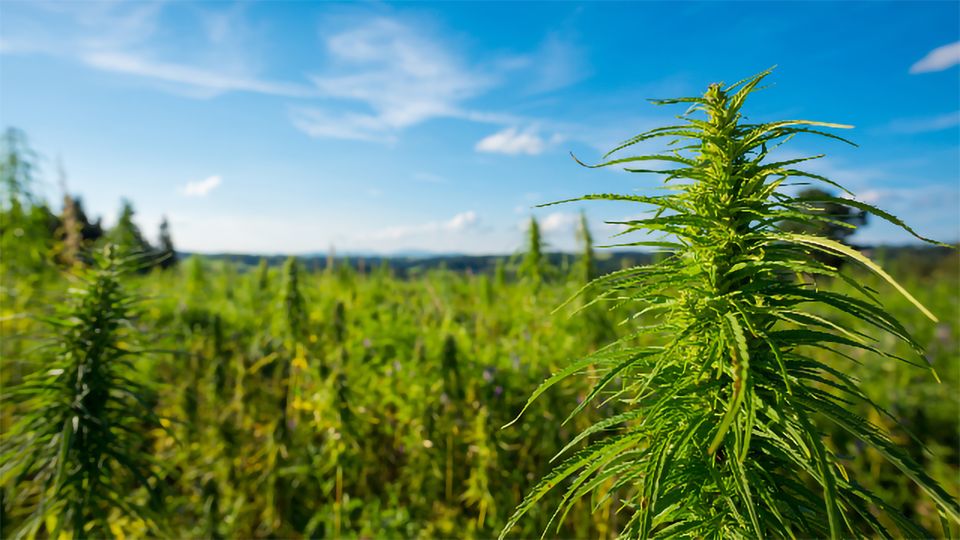
Cannabis, also known as marijuana, is a plant with a diverse range of uses. It is commonly known for its psychoactive effects, but it has also been shown to have a variety of medicinal properties. However, one of the lesser-known uses of cannabis is its ability to remediate soil and water contaminated with toxic pollutants. This unique property of cannabis is known as phytoremediation.
Phytoremediation is a natural and cost-effective method of removing harmful pollutants from the environment. It involves the use of plants to absorb, degrade, or transform pollutants in soil, water, or air. This process is based on the fact that plants have the ability to take up and store large amounts of nutrients and contaminants from the soil, water, and air.
Cannabis is a particularly effective phytoremediation plant because it is able to absorb and store heavy metals, pesticides, and other toxic chemicals in its tissues. This ability is due to the plant's unique biology, which includes a complex network of roots and leaves that are capable of taking up and storing large amounts of nutrients and contaminants from the soil.
One of the most notable examples of cannabis phytoremediation was in Italy, where the plant was used to clean up contaminated land near an industrial site. The study found that cannabis was able to remove heavy metals such as lead, cadmium, and nickel from the soil. The researchers also found that the plant was able to absorb other pollutants such as polychlorinated biphenyls (PCBs) and polyaromatic hydrocarbons (PAHs).
This ability of cannabis to remediate contaminated sites has important implications for environmental remediation efforts. It provides a low-cost, natural, and sustainable method for cleaning up polluted sites, particularly in areas where traditional remediation methods are not feasible or cost-effective.
However, it is important to note that while cannabis phytoremediation has many benefits, it is not without its drawbacks. For example, the harvested plant material may contain high levels of contaminants, making it unsuitable for consumption or other uses. Therefore, it is important to carefully monitor the soil and water conditions, as well as the plant growth, to ensure that the harvested material is safe for use.
New recent studies have shown that the Cannabis plant has the potential to be used for carbon sequestration, making it a valuable tool in the fight against climate change.Carbon sequestration is the process of capturing carbon dioxide (CO2) from the atmosphere and storing it in a long-term sink to reduce greenhouse gas emissions. Cannabis plants are known to absorb large amounts of CO2 from the air during the process of photosynthesis, where the plant converts sunlight into energy.
According to a study by Colorado State University, one acre of cannabis plants can sequester 5.5 tons of CO2 per acre per year. This is an impressive amount when compared to other plants, such as trees, which can sequester around 2.5 tons of CO2 per acre per year.
The potential for cannabis to sequester carbon is not only due to the plant's ability to absorb CO2 during photosynthesis but also because of its fast growth rate. Cannabis can reach maturity in just a few months, making it an efficient and sustainable option for carbon sequestration.
Furthermore, the use of cannabis plants for carbon sequestration can have additional benefits for the environment. The cultivation of cannabis can help to remediate contaminated soil, as the plant has been found to absorb heavy metals and other toxins from the soil. This makes it a valuable tool for cleaning up polluted land and improving soil quality.
In addition to its potential as a tool for carbon sequestration and soil remediation, cannabis can also be used as a renewable source of energy. The plant can be used to produce biofuels, such as biodiesel and ethanol, which emit lower levels of greenhouse gases than traditional fossil fuels.
The potential for cannabis to be used for carbon sequestration and other environmentally beneficial applications highlights the importance of legalizing and regulating the plant. With the legalization of cannabis in many parts of the world, there is an opportunity to explore the full potential of this plant and its ability to contribute to a more sustainable future.
In conclusion, cannabis plants have the potential to be used for carbon sequestration, making them a valuable tool in the fight against climate change. Their ability to absorb CO2 during photosynthesis, fast growth rate, and potential for soil remediation make them an efficient and sustainable option for reducing greenhouse gas emissions. The legalization and regulation of cannabis can open up new possibilities for its use in creating a more environmentally sustainable future.